HOI AN ON BIKE

Once known as Faifo, Hoi An was one of the orient's major trading ports in the 16th and 17th centuries.

Hoi An City Tours

Take a step back in time on a walking city tour of Hoi An -a well-known ancient town in Vietnam and a UNESCO World heritage site. A private guide leads you through the well-kept historic district of this once-prosperous seaport city.

Nha Trang Boat trip

Overview Transferring to Da Chong Whalf, about 18 km away from the city center for embarking on boat, cruising on Nha Phu bay.

Ha Long bay

Recognized by Unesco as a World Heritage Site since 1994 for it thousands of natural islands, Ha Long Bay is a legendary world, and one of the most magnificent scenic spots in Vietnam as well.

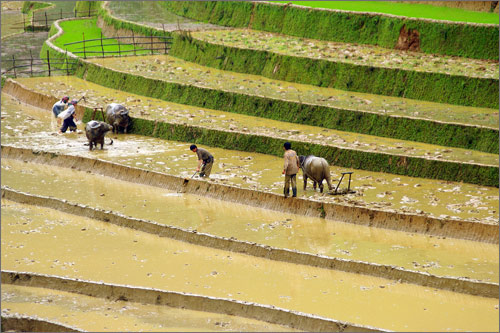
Discover Stunning Terraced fields in Northwest Vietnam

The terraced fields in the mountain district of Mu Cang Chai in Yen Bai, Vietnam are associated with the developmental history of the Mong ethnic minority group.

Hanoi Capital (expansion)

Hanoi Capital (expansion)

Area: 3.324,92 sq. km 
Population: 6,232,900 habitants (8/2008).
Administrative divisions: -10 urban districts: Hoan Kiem, Ba Dinh, Dong Da, Hai Ba Trung, Tay Ho, Thanh Xuan, Cau Giay, Long Bien, Hoang Mai, Ha Dong.
 - 1 cities: Son Tay
 - 18 rural districts: Dong Anh, Soc Son, Thanh Tri, Tu Liem, Gia Lam (old Hanoi); Ba Vi, Chuong My, Dan Phuong, Hoai Duc, My Duc, Phu Xuyen, Phuc Tho, Quoc Oai, Thach That, Thanh Oai. Thuong Tin, Ung Hoa (former Ha Tay province) and Me Linh (a former district of Vinh Phuc province).

Ethnic groups: Viet (Kinh), Hoa, Muong, Tay, Dao...

Hanoi is the capital of the Socialist Republic of Vietnam, the center of culture, politics, economy and trade of the whole country. 

  
Geography
Hanoi is located in the Red River Delta, in the center of North Vietnam. It is encompassed by Thai Nguyen, Vinh Phuc provinces to the north, Hoa Binh and Ha Nam to the south, Bac Giang, Bac Ninh and Hung Yen provinces to the east, Hoa Binh and Phu Tho to the west.

Hanoi means "the hinterland between the rivers" (Ha: river, Noi: interior). Hanoi's territory is washed by the Red River (the portion of the Red River embracing Hanoi is approximately 40km long) and its tributaries, but there are some other rivers flowing through the capital, including Duong, Cau, Ca Lo, Day, Nhue, Tich, To Lich and Kim Nguu.

Climate: Hanoi is situated in a tropical monsoon zone with two main seasons. During the dry season, which lasts from October to April, it is cold and there is very little rainfall, except from January to March, when the weather is still cold but there is some light rain. The wet season, from May to September, is hot with heavy rains and storms.

History
Hanoi is a sacred land of Vietnam. In the 3rd century BC, Co Loa (actually belonging to Dong Anh District) was chosen as the capital of the Au Lac Nation of Thuc An Duong Vuong (the King Thuc). Hanoi later became the core of the resistance movements against the Northern invasions. Located in the middle of the Red River Delta, the town has gradually expanded to become a very populations and rich residential center. At different periods, Hanoi had been selected as the chief city of Vietnam under the Northern domination.In the autumn of Canh Tuat lunar years (1010), Ly Thai To, the founder of the Ly Dynasty, decided to transfer the capital from Hoa Lu to Dai La, and so he rebaptized it Thang Long (Soaring Dragon). The year 1010 then became an historical date for Hanoi and for the whole country in general. For about a thousand years, the capital was called Thang Long, then changing to Dong Do, Dong Kinh, and finally to Hanoi, in 1831. This sacred piece of land thereafter continued to be the theatre of many fateful events.

Tourism
Throughout the thousand years of its eventful history, marked by destruction, wars and natural calamities, Hanoi still preserves many ancient architectural works including the Old Quarter and over 600 pagodas and temples. Famous sites include the One Pillar Pagoda (built in 1049), the Temple of Literature (built in 1070), Hanoi Citadel, Hanoi Opera House, President Ho Chi Minh's Mausoleum...

Hanoi also characteristically contains 18 beautiful lakes such as Hoan Kiem Lake, West Lake, and Truc Bach Lake..., which are the lungs of the city, with their surrounding gardens and trees providing a vital source of energy.

Many traditional handicrafts are also practiced in Hanoi including bronze molding, silver carving, lacquer, and embroidery. Hanoi has many famous traditional professional handicraft villages such as Bat Trang pottery village, Ngu Xa bronze casting village, Yen Thai glossy silk... 

Transportation
By road: Hanoi is 93km from Ninh Binh, 102km from Haiphong, 153km from Thanh Hoa, 151km from Halong, 474km from Dien Bien Phu, 658km from Hue, 763km from Danang, and 1,710km from Ho Chi Minh City.

By air: Noi Bai International Airport, over 35km from the city center, is one of the biggest airports of the country with various international and domestic routes. There are domestic flights from Hanoi to Danang, Dien Bien, Ho Chi Minh City, Hue, Nha Trang and international flights to many countries in over the world.

By train: Hanoi Railway Station is Vietnam's main railway station. It is the starting point of five railway lines leading to almost every province in Vietnam./.
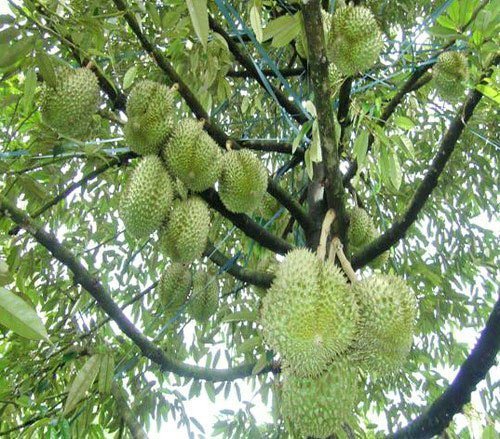
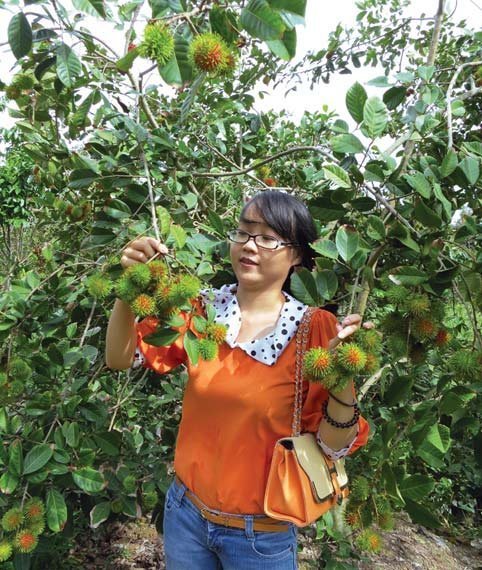
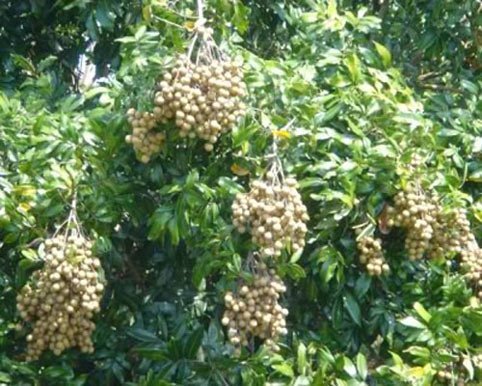
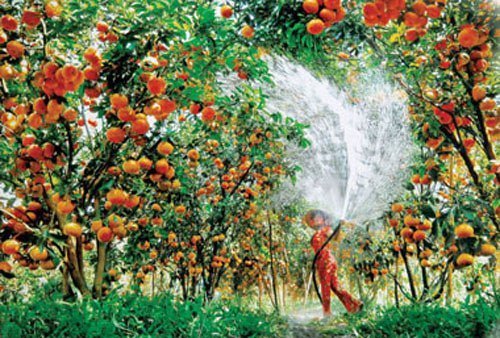
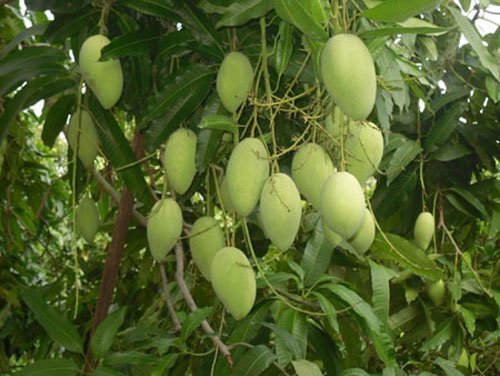
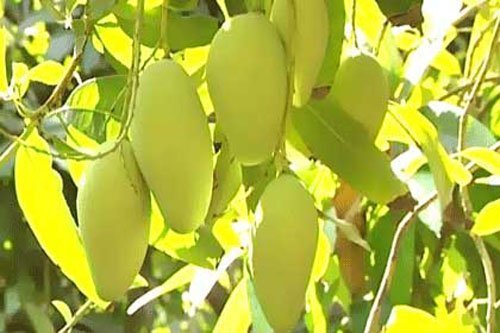
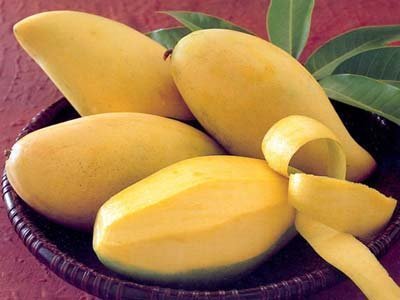
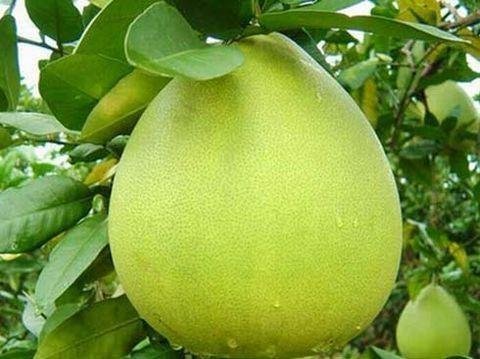
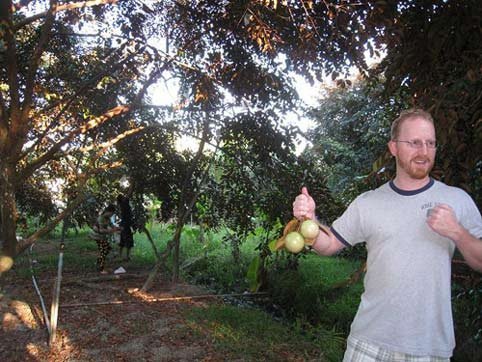
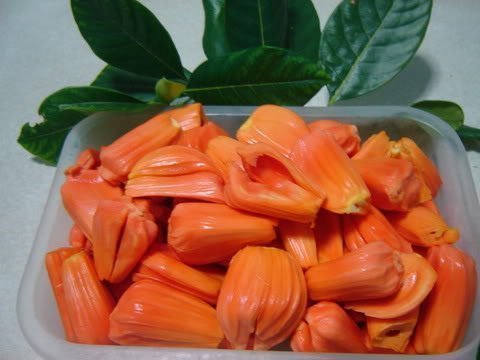
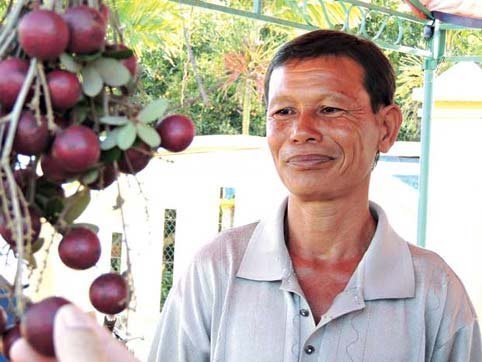
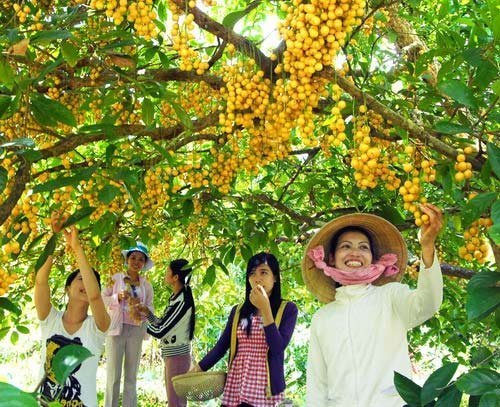
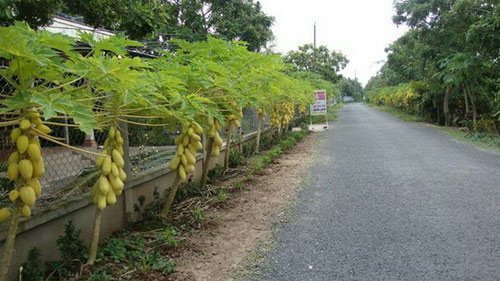
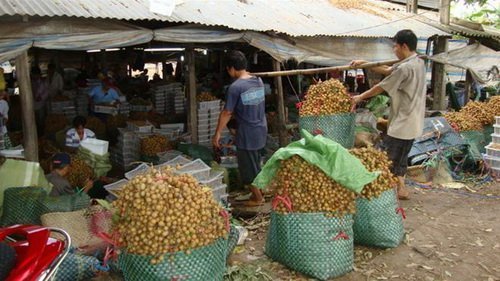
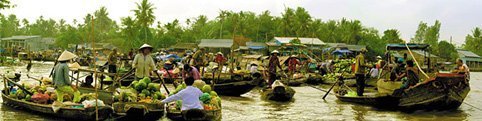
Exuberant orchards in Mekong Delta

This is the harvest time of orchards in the Mekong Delta. Visiting the region at this time, tourists will be enchanted by these luxuriant orchards. Let’s visit them with us!


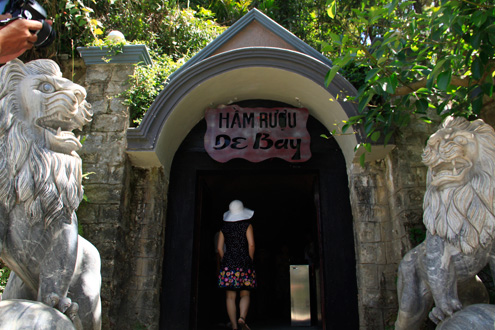
Original wine cellar in Vietnam


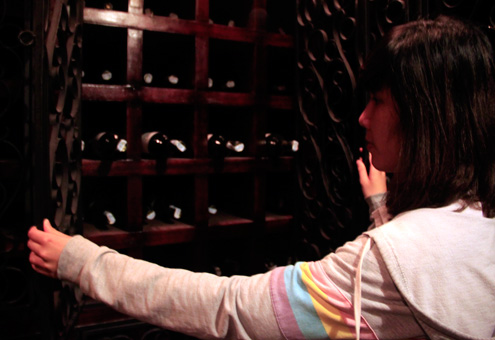
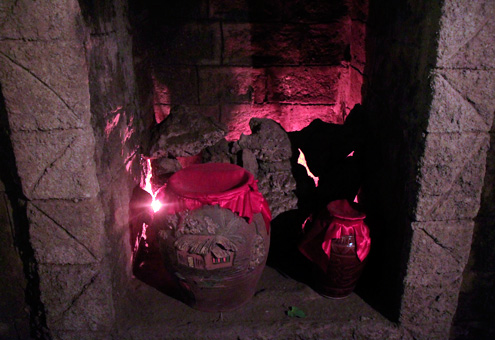
Built in the early 20th century by the French, Debay wine cellar in Ba Na resort (Danang city) has a unique architectural style in Vietnam. Standing the test of time, the structure remains primeval and mysterious.


This special cellar was built in 1923 for French military officers and businesspeople,
as well as rich Vietnamese. It was named after Debay, a French officer, who built
the structure. On May 15, 2012 the cellar was restored for tourism purposes.


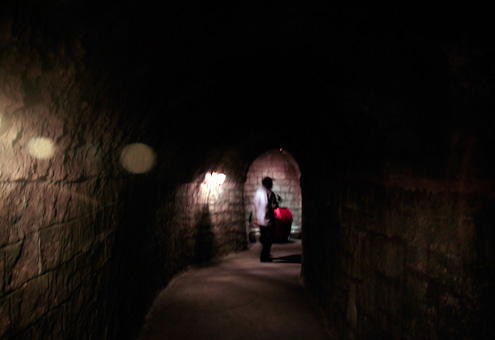
The arched structure simulates the French-style architecture. It is 100m long,
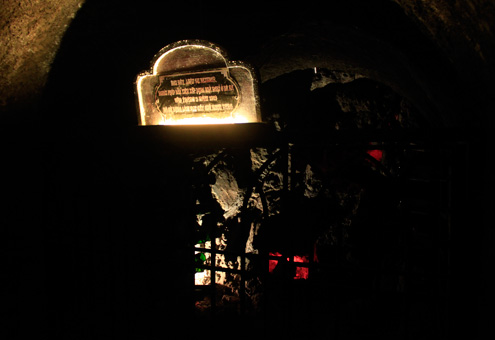
2.5m high and 2m wide. No bulbs are installed along the passageway of the cellar.


Temperatures inside the cellar are rather low, ranging between 16-20 degrees Celsius
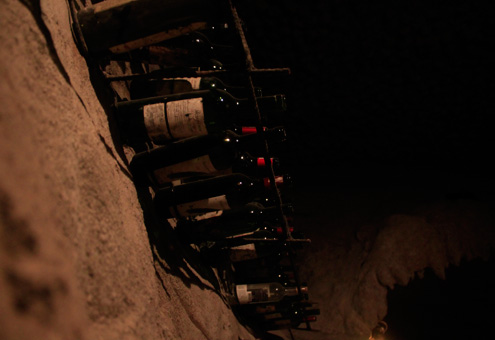
during the daytime and dropping to below 10 degrees Celsius at night. Bottles of wine
can be placed along the passageway of the cellar.


Bottles are stored in locked compartments to prevent wine being exposed to heat,
light, temperature fluctuations, and humidity that can spoil wine aroma and flavour.


Not only grape wine, but rice wine distilled in Ba Na was also stored in the cellar
to serve French military officers and rich Vietnamese businesspeople at the time.  


Big compartments were marked by the name of the wine maker. The wine was formerly
deposited in the cellar for use by upper classes in society.

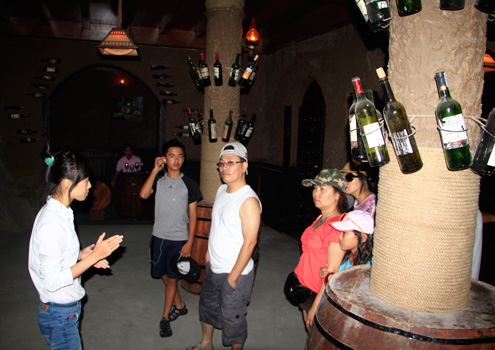
The lighting system was only installed at the middle of the cellar, where parties or
other formal functions were held by the French.


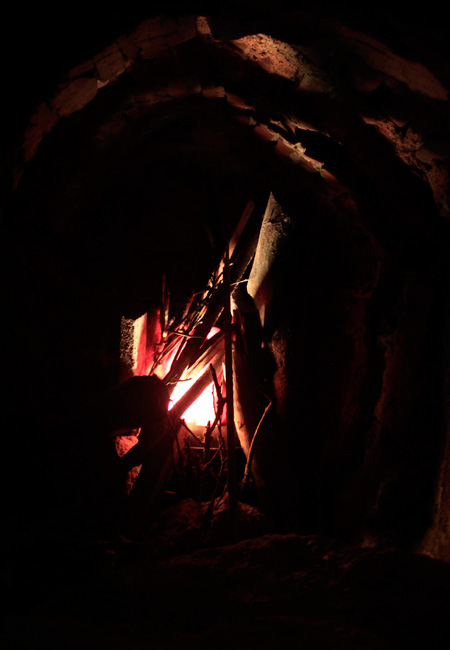
A fire place was put up to warm up the cellar during the winter time

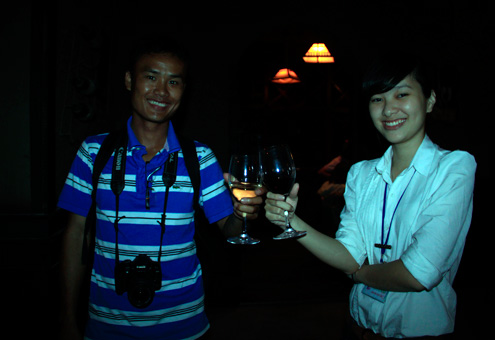
Coming here, visitors have the chance to taste wine of different kinds

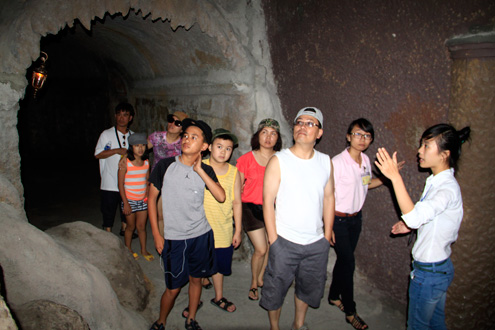
Thousands of tourists visit Ba Na and the cellar every day. 

Hue displays all its old structures to boost tourism


Tourists to the ancient capital of Hue will have the chance to enjoy the real life of the old city rather than just viewing relics or landscape as they usually do.
 
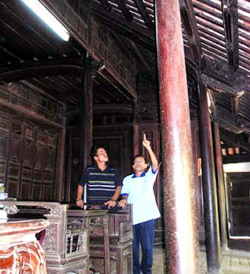
 Pillars of strength: Undamaged 120-year-old nha ruong (old-style house) owned by Ho Van Te in Phuoc Tich Village. Such houses will be used for community-based tourism to improve villagers' lives.
Community-based tourism was included in the city authorities' strategy to attract 3 million tourists by 2015, confirmed Ngo Hoa, deputy chairman of Thua Thien-Hue Provincial People's Committee.

With the support from the Japan International Co-operation Agency (JICA), the city chose the model of traditional markets on Thanh Toan tile-roofed bridges in Thuy Thanh Commune to develop.


In fact, the Thanh Toan market day was revitalised during the Hue Festival and gained tourists' applause. However, only the tourists who went on tours were introduced to the spot. In addition, few local households got involved in providing the service so the number of beneficiaries remained limited.


JICA will help set up an office for the village's tourism management which will monitor the local tourism quality and enlarge the service scale so more local residents can take participate in tourism.


Travel agencies and information providers are encouraged to co-operate in bringing more tourists to the destination. Field trips will be organised to test out tour quality.


Elsewhere in Phong Dien District's Phong Hoa Commune, Phuoc Tich ancient village, which is home to 40 hundred-year-old nha ruong (houses built with many beams and pillars), has been selected to develop homestays.


JICA also sent Mizokami Yoshihiro, a Japanese ceramic expert to help the village maintain its traditional ceramics production by creating new products based on their traditional technique. More than 20 villagers, most of them old artisans, took part in the programme.


The community-based tourism does not only refresh tourism in the old city but help create more jobs and improve the incomes of local people.


Apart from JICA, the Netherlands Development Organisation SNV helped 70 local residents get jobs as tourism service providers and craft sellers for Huyen Tran cultural centre in An Tay Ward.


This was a good way to promote Hue cultural values and the easiest way for local people to market their traditional crafts, Hoa said.

Visitors to Hoi An will enjoy discounts of up to 30 percent next month

Hoi An’s ancient architecture and craft products attracts many visitors Tourism businesses in ancient Hoi An in central Vietnam will offer discounts of up to 30 percent to domestic and foreign travelers next month, Hoi An City People’s Committee Deputy Chairman Truong Van Bay announced. During the first phase of the discount program from March 26 to the beginning of April, visitors will receive free meals when staying for more than two days at local hotels rated four stars and above. Discounts of up to 20 percent on food and beauty services will be offered to tourists staying at hotels of two to three stars. Holidaymakers will also enjoy discounts of between 10 to 30 percent at local attractions, shops and restaurants. UNESCO-listed Hoi An is a popular tourist destination in central Vietnam, known for its charming ancient architecture, craft products and nearby beaches. Hoi An welcomed about 450,000 visitors last year, 320,000 of whom were from outside the country, an increase of 6 percent on 2007. Source : TUOITRE/Son Phuoc


TEXT LINK:
tải game điện thoại - Agents for modeling - Gai xinh - Visa Vietnam - Vietnam Express Visa - Teen Teen - Tai iOnline Mien Phi - Game Java